Marine Life Safety: The Beautiful Things You Should Absolutely Not Touch
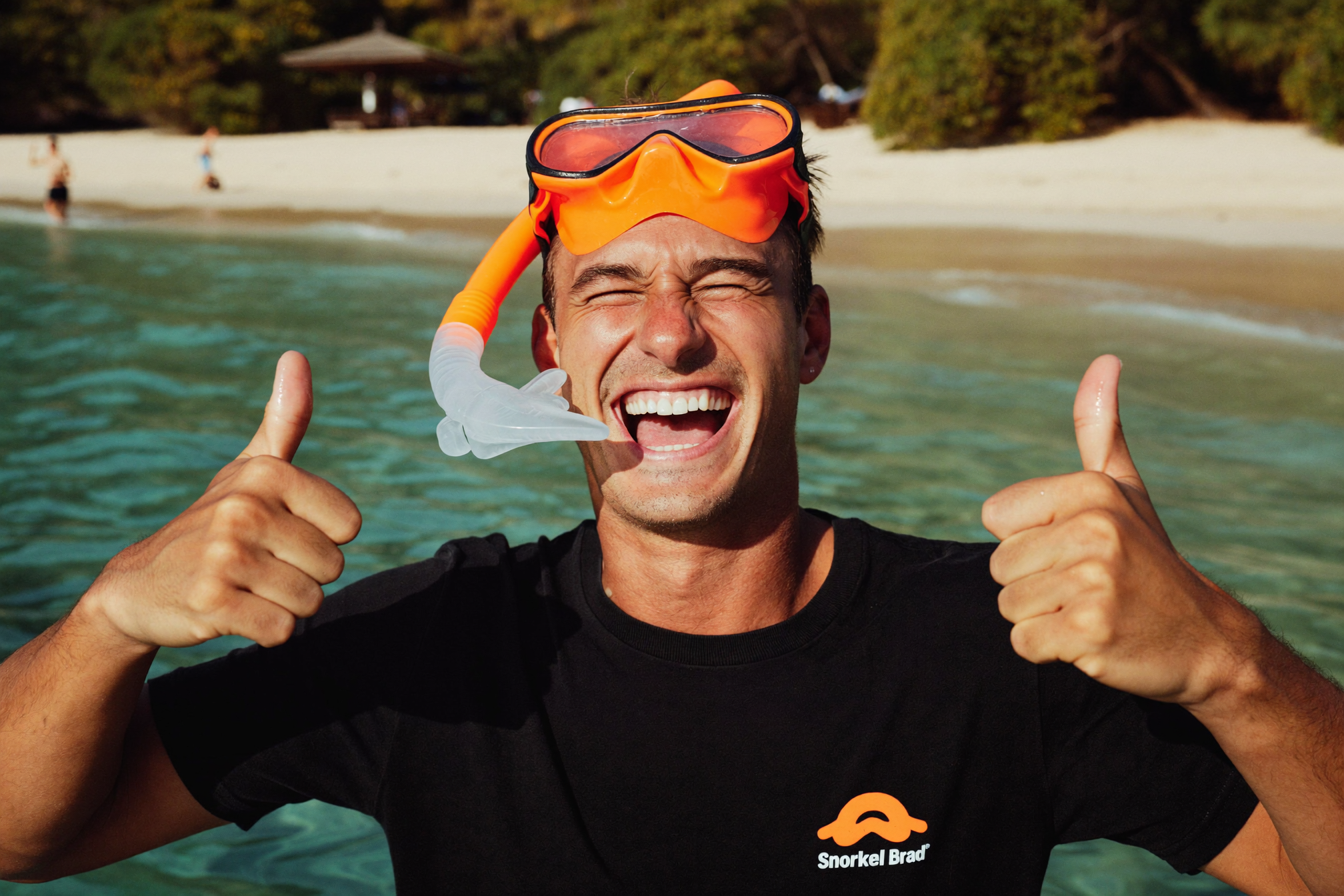 By Snorkel Brad
·Chief Diving Officer
·July 23, 2026
By Snorkel Brad
·Chief Diving Officer
·July 23, 2026
The ocean is full of gorgeous things that are begging, in Brad's imagination, to be poked. Do not poke them. A good rule for the whole reef is simple: look with your eyes, keep your hands to yourself. It protects the animals, which are more fragile than they seem, and it protects you, because some of the loveliest creatures down there are armed. Here is a field guide to hands-off.
The one rule that covers almost everything
Assume everything on the reef is either alive, fragile, defended, or all three, and keep a respectful distance from all of it. You do not need to memorize every venomous species if your default is simply not to touch. This single habit prevents the vast majority of marine injuries and reef damage at once.
It also solves the identification problem. Plenty of harmless-looking things can hurt you and plenty of scary-looking things are harmless, and you often cannot tell which is which underwater. Brad cannot, and Brad has opinions about everything. When you don't touch anything, you don't have to be an expert to stay safe.
Coral: it's an animal, and it's fragile
Coral looks like colorful rock, but it is a colony of living animals that grows incredibly slowly. A careless touch, kick, or grab can kill years of growth in an instant, and the oils on your skin can harm it too. On top of that, coral can cut you, and coral cuts are notorious for being slow to heal and prone to infection.
So keep your fins, hands, and gear well clear of it. Maintain good buoyancy, never stand on the reef, and give it a wide margin when you swim over shallow areas. Give it a wide margin, and if you want to learn the wider set of habits that keep reefs healthy, our broader reef etiquette rules lay them out.
Things that sting
Several beautiful reef residents defend themselves with venom, and touching them, even accidentally, can mean a painful sting:
- Jellyfish: trailing tentacles can sting even when the animal looks still or is only a fragment. See our jellyfish and sea lice guide.
- Fire coral: not a true coral, it delivers a burning sting on contact.
- Anemones and hydroids: the feathery, flower-like ones can sting bare skin.
- Cone snails: pretty shells that can deliver a dangerous venomous sting; never pick up live shells.
The theme is consistent: the decoration is the warning. Admire the color, keep your distance.
Things that spike or cut
Other creatures don't sting so much as puncture. Sea urchins carry sharp, brittle spines that break off in the skin and are painful to remove, and they love to tuck into crevices exactly where a hand might reach for a hold. Stonefish and scorpionfish are camouflaged masters with venomous spines, which is one more reason never to grab a rock or put a bare foot down on the bottom.
Barnacles, oysters, and sharp rock will happily slice an unwary hand or knee. The lesson is to never grab the reef for a handhold and never stand on the bottom in rocky or reefy areas. If you need to stop, float; don't anchor yourself on something that might bite back.
Even the 'friendly' animals: keep your distance
It is tempting to reach out to the charismatic animals, the turtles, rays, and reef fish, but touching them is bad for them and can be bad for you. Many marine animals have a protective mucus layer that human hands damage, handling stresses them, and a startled or cornered animal may bite, whip a barbed tail, or lash out. Feeding wildlife is also harmful and changes their natural behavior.
Give big animals space and let them approach or leave on their own terms. Sea turtles in particular should be observed from a respectful distance, as covered in our sea turtle etiquette guide. The best encounters happen when the animal chooses to hang around because you are calm and non-threatening, not because you chased it.
What to do if you're stung or spiked
Despite your best hands-off intentions, contact happens. General guidance: get out of the water calmly, don't rub the area, and rinse a jellyfish sting with seawater rather than fresh water while carefully removing any visible tentacles without bare hands. For urchin spines or a suspected venomous fish sting, the common first-aid step is to soak the area in water as hot as you can safely tolerate, which can ease the pain, and then seek medical care.
Watch for signs of a serious reaction, such as difficulty breathing, widespread swelling, chest pain, or feeling faint, and treat those as an emergency requiring immediate professional help. Our jellyfish and sea lice guide goes into more detail on stings. When in doubt about any sting or puncture, get it looked at by a professional.
Why hands-off protects you and the reef
It's worth remembering why this rule matters so much, because it protects two things at once. For you, not touching means you don't get stung, spiked, cut, or bitten, and you avoid the infections that marine wounds are so prone to. Almost every marine injury a snorkeler suffers comes from contact that didn't need to happen.
For the reef, hands-off is one of the kindest things a visitor can do. Coral and other reef life are fragile and slow-growing, and a reef is visited by thousands of people; if each one touches just a little, the damage adds up fast. Buoyancy control, keeping your fins up, and never grabbing or standing on anything are the habits that let a reef stay healthy enough to be worth visiting at all.
Good marine-life manners are really just good reef etiquette. The best snorkelers move through the water like polite guests, quiet, calm, and touching nothing, and they're rewarded with animals that relax and go about their business right in front of them. Brad wants to pet everything and pets nothing, and the fish reward his heroic restraint by sticking around.
Snorkel Brad refuses to get in the water underdressed. Gear up with a sheet of stickers and the organic high-neck tee, or browse the full collection — Brad's commission is, as always, exactly zero dollars.
Snorkel Brad Answers Your Questions
What's the simplest rule for marine life safety?
Look, don't touch. Assume everything on the reef is alive, fragile, or defended, and keep your hands, fins, and gear to yourself. This one habit prevents most injuries and most reef damage without needing to identify every species.
Why can't I touch coral?
Coral is a colony of living animals that grows very slowly, and a single touch or kick can kill years of growth. The oils on your skin harm it too. Coral can also cut you, and coral cuts heal slowly and are prone to infection.
What reef creatures are most likely to hurt me?
Jellyfish and fire coral sting, sea urchins have sharp spines, camouflaged stonefish and scorpionfish have venomous spines, and cone snails can deliver a dangerous sting. Never grab the reef for a handhold or stand on the bottom in rocky areas.
Is it okay to touch turtles or rays if they come close?
No. Touching damages their protective mucus layer, stresses them, and can provoke a bite or a whip of a barbed tail. Keep your distance, don't feed wildlife, and let animals approach or leave on their own terms.