Snorkeling the Big Island: Where Brad Got Out-Swum by a Turtle
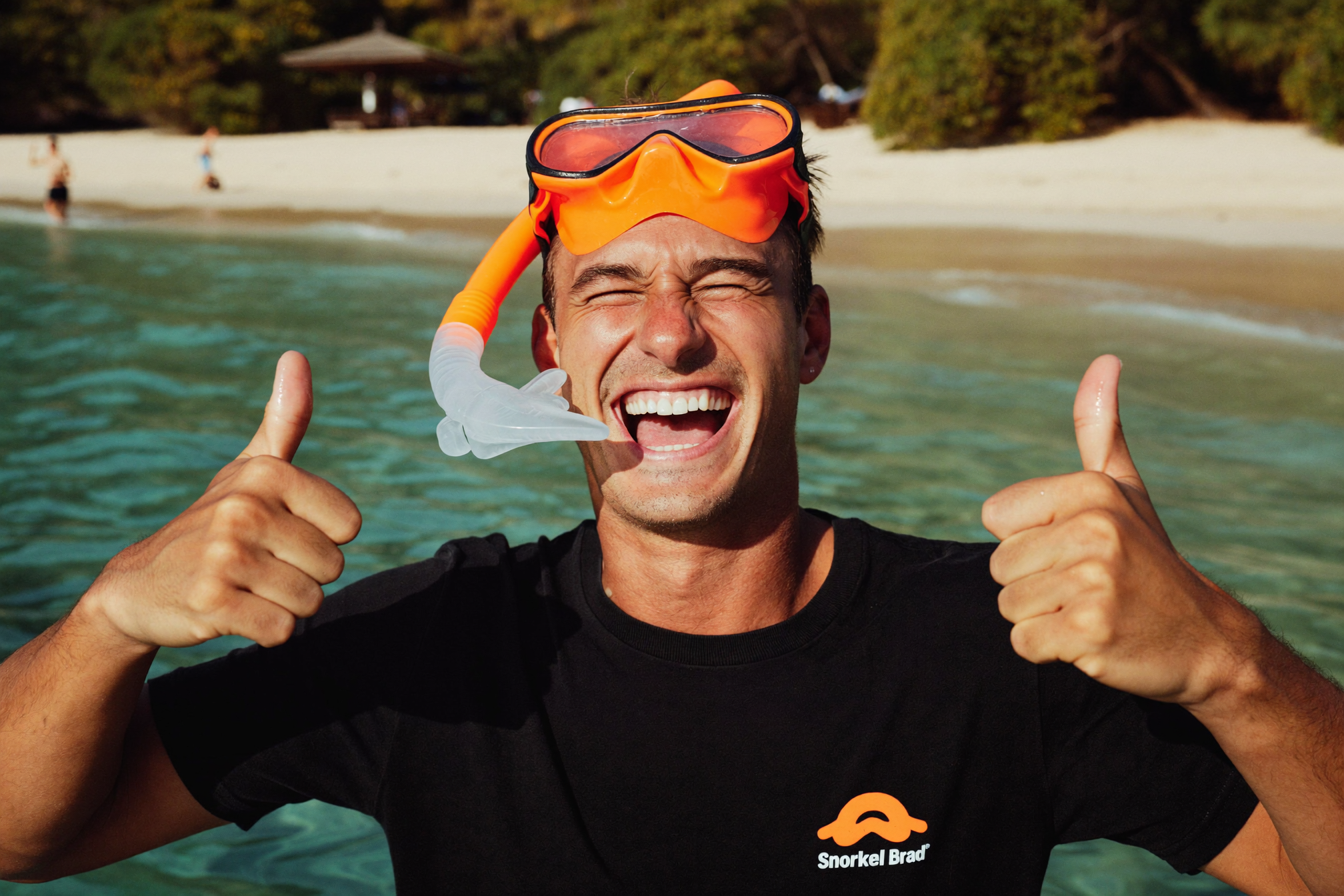 By Snorkel Brad
·Chief Diving Officer
·July 23, 2026
By Snorkel Brad
·Chief Diving Officer
·July 23, 2026
The Big Island is where a lot of people take their very first fin-kicks in the open ocean, and for good reason: it has a string of sheltered bays where the water tends to lie down and the fish don't seem to mind an audience. Brad has logged an embarrassing number of hours face-down in these bays, mostly being politely ignored by wildlife that is better at swimming than he is.
Why the Big Island is beginner-friendly (most of the time)
The Kona side of the island — the western, leeward coast — is generally more protected from the trade winds than the eastern side, so on a typical calm morning you'll find glassier water and better visibility there. That's the reason most guided trips and easy shore-entry spots cluster along the Kona and South Kohala coast. Lava-rock coastline creates lots of little coves, and coves mean shelter.
None of that is a guarantee. Conditions change day to day and hour to hour, so treat any "calm spot" as calm right now, if the forecast agrees, not calm forever. Always check a current marine forecast, look at the actual water before you get in, and heed any posted warnings or lifeguard guidance. Brad's rule: if the locals are standing on the beach frowning at the sea, do that too.
What you might see down there
Hawaii's reefs are famous for a cast of characters you'll start recognizing fast. You may spot yellow tangs moving in bright clouds, parrotfish crunching on coral, the wonderfully named Hawaiian state fish (the humuhumunukunukuapua'a, a reef triggerfish), goatfish rooting in the sand, and if you're lucky, a green sea turtle — honu — cruising by like it owns the place. It does. You're a guest.
A big part of the fun is simply learning to slow down and let the reef come to you. Fish that dart away when you thrash toward them will often carry on as normal if you float still and breathe quietly. Hover, watch a coral head for a minute, and you'll notice cleaner wrasses working, little gobies guarding holes, and shy fish easing back out. The reef is busiest when you're calmest.
Because turtles and Hawaiian monk seals are protected, keep a respectful distance and never chase, touch, or feed anything. If a turtle swims toward you, hold still and let it pass — the rule is that they can approach you, never the other way around. For more on not being a menace to wildlife, Brad wrote a whole apology in sea turtle etiquette.
Shore entry vs. taking a boat
Plenty of Big Island snorkeling is shore-based: you walk in from a beach or a rocky entry and paddle out over the reef. This is cheap, flexible, and great when the water is calm. The catch is that lava-rock entries can be slippery and surge can shove you around, so pick a gentle entry and time your steps between sets.
Boat trips open up spots you can't easily reach from land, often with calmer, deeper water and a crew that watches conditions for a living. If you're new, nervous, or just want someone else to worry about the current, a boat is money well spent. Not sure which suits you? Brad compared them in shore vs. boat snorkeling.
Timing, seasons, and reading the day
As a general pattern, summer months on the leeward Kona coast often bring calmer mornings, and mornings in general tend to be glassier before the wind builds. Winter can send bigger swells to some coasts. But 'often' and 'tend to' are doing a lot of work in those sentences — a specific day can defy the season entirely, so the forecast and your own eyes always win over a blog post.
Get in early, get out before conditions build, and don't let a beautiful reef talk you into staying past your comfort. The ocean does not care about your itinerary.
Reef manners on the Big Island
Hawaiian reefs have taken a beating from warming water and heavy visitor traffic, so low-impact snorkeling matters here. Don't stand on, touch, or kick the coral — it's a living animal, and a single careless fin can undo decades of growth. Float horizontally, keep your fins up and behind you, and back away rather than reaching out.
Sunscreen counts too: Hawaii has restricted certain chemical sunscreens, so bring a mineral (zinc or titanium) formula or cover up with a rash guard. Brad's full breakdown lives in the reef-safe sunscreen guide.
Gear that makes a Hawaii day better
You don't need much to snorkel the Big Island well, but a few small things separate a great morning from a soggy, foggy one. The single most important item is a mask that actually seals to your face. Test it before you travel: hold the mask against your face without using the strap and gently inhale through your nose. If it stays put on its own, it fits you; if it slides off, keep looking. A snorkel with a splash guard keeps chop out of your breathing tube, and fins give you easy propulsion so you're not thrashing over fragile coral.
Two more habits earn their keep. First, defog your lens — a dab of baby shampoo or commercial anti-fog smeared inside and rinsed lightly keeps it clear. Brad has spent entire sessions effectively blind because he skipped this thirty-second step, narrating fish he could not actually see to a wife who could tell. Second, wear a rash guard: it protects your back from a sun that is closer and stronger than mainland visitors expect.
A simple pre-swim routine
Before you get in anywhere on the Big Island, run a quick mental checklist. It sounds fussy right up until the day it keeps you out of trouble.
- Watch the water for a full set of waves before committing, so you see how big they really get.
- Know your exit — enter and leave at the same recognizable spot, and pick a landmark on shore.
- Rinse and fit your mask on dry land, not while getting tossed in the shallows.
- Bring a buddy and keep them in sight; two sets of eyes beat one.
- Mind your energy and turn back with plenty in the tank, because the swim home always feels longer than the swim out.
None of this is glamorous, which is exactly why it works. The ocean rewards the boring, careful snorkeler and quietly humbles the show-off. Brad has been both, and boring is more fun in the long run.
Brad's take
The Big Island humbled me in the best way. I showed up convinced I was a natural, spent ten minutes fighting a mask I hadn't fitted properly, and then floated over a reef so calm and clear that I forgot to be smug. A turtle surfaced next to me, looked me dead in the eye, and left. Ten out of ten. Would be ignored by marine life again.
Snorkel Brad refuses to get in the water underdressed. Gear up with The Trucker cap and the Hydrate Before You Dive bottle, or browse the full collection — Brad's commission is, as always, exactly zero dollars.
Snorkel Brad Answers Your Questions
Is the Big Island good for first-time snorkelers?
Often, yes — the sheltered Kona-side bays tend to be calmer, but conditions vary daily. Choose a gentle, protected spot on a calm morning, check the forecast, and consider a guided boat trip for your first time.
Will I see sea turtles?
Green sea turtles (honu) are common on Hawaii's reefs, so sightings are likely but never guaranteed. They're protected — keep your distance, don't touch or chase, and let them move freely.
Do I need a wetsuit in Hawaii?
Many people snorkel comfortably in just a rash guard, but a thin wetsuit or top adds warmth on longer sessions or cooler days. See our wetsuit guides to decide what suits you.
What time of day is best?
Mornings often have glassier water before the wind picks up, so early is usually a safe bet. Always confirm with a same-day marine forecast and a look at the actual conditions.