Snorkeling the Caribbean: A Cheeky Island-by-Island Cheat Sheet
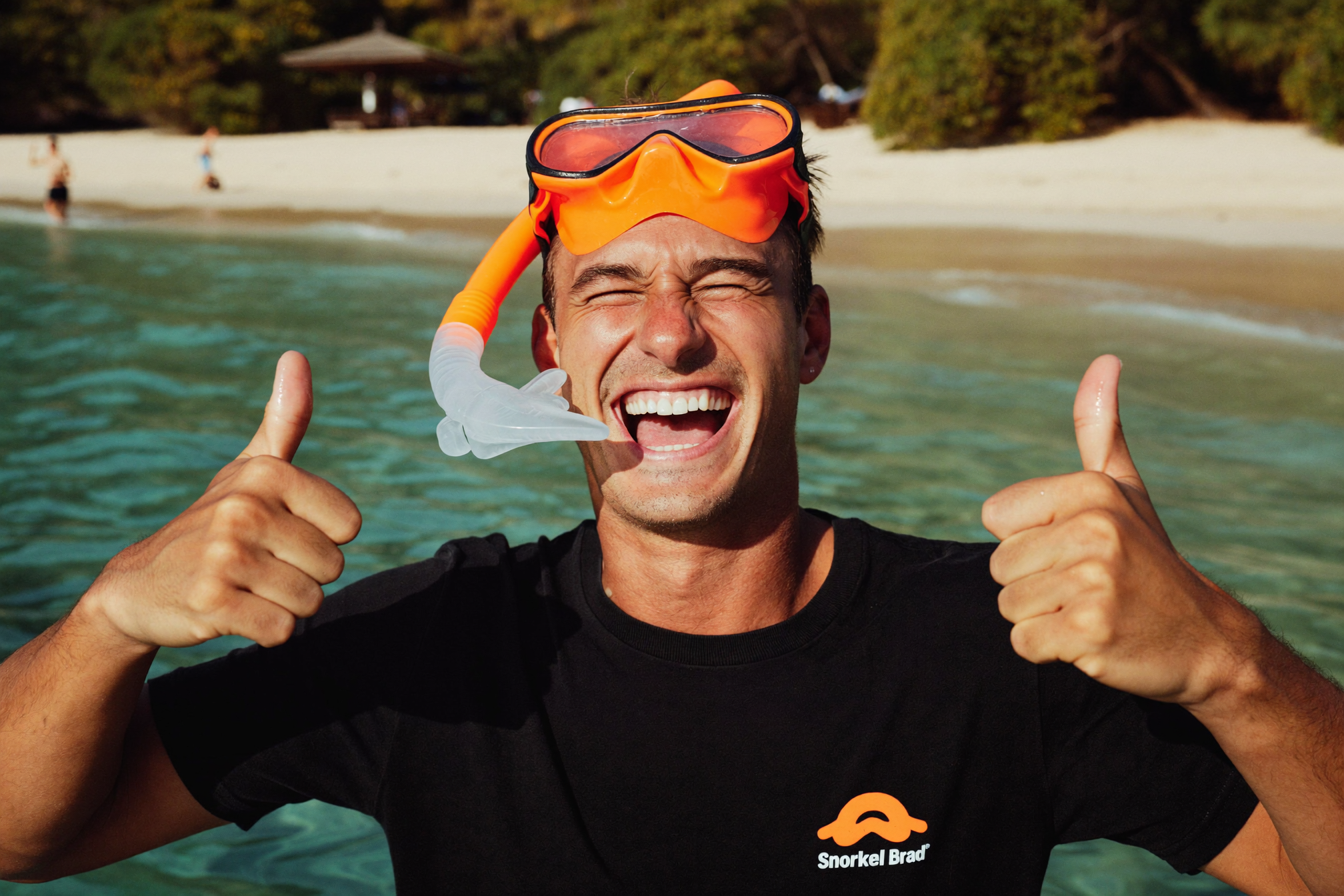 By Snorkel Brad
·Chief Diving Officer
·July 23, 2026
By Snorkel Brad
·Chief Diving Officer
·July 23, 2026
The Caribbean is basically a giant, warm, reef-lined buffet for snorkelers, and almost every island offers something. Rather than pretend Brad has personally audited all of them (he has not, though he'd like the assignment), here's an honest framework for choosing where to float, and how to make any Caribbean island trip a good one.
What most Caribbean snorkeling has in common
Broadly, you can expect warm water most of the year, coral reef ecosystems, and reef fish in the classic Caribbean cast: parrotfish, angelfish, sergeant majors, blue tangs, snapper, and the occasional turtle, ray, or reef shark. Many islands have both easy shore-entry spots and boat trips to better offshore reef. Visibility and calm depend on wind, swell, and season, which vary by island and day — so always check current local conditions.
The point of a cheat sheet isn't to memorize every island; it's to know what to look for when you pick one.
How to choose an island for snorkeling
Ask a few questions. Do you want easy shore snorkeling or boat trips? Some islands are famous for walk-in reefs, others for offshore sites. How protected is the coast? Leeward (downwind) sides are usually calmer. Are there marine parks? Protected areas often mean healthier reef and clearer rules. And what's the season doing? Hurricane season and windier months can affect conditions. Bonaire, for instance, is beloved specifically for easy shore access — Brad gave it its own guide.
Shore or boat?
Shore snorkeling is cheap, flexible, and repeatable — great where the reef comes close to a calm beach. Boat trips reach better, deeper, or more protected reef and add a crew who watches conditions. Many trips get you to sites you simply can't reach from land. If you're deciding trip by trip, Brad's shore vs. boat comparison lays out the trade-offs.
Packing for a Caribbean snorkel trip
Bring your own well-fitted mask if you can — a mask that seals is the difference between a great day and a leaky, foggy one. Add a rash guard for sun and warmth, reef-safe mineral sunscreen, and fins if you have room. Renting gear on-island works, but rental masks don't always fit your face. Brad's packing guide covers fitting it all in a bag without wrecking your luggage.
Reef manners, everywhere
Caribbean reefs face the same pressures as reefs worldwide — warming water, storms, and heavy visitor traffic. Don't touch or stand on coral, keep fins up and behind you, hold good buoyancy, take nothing, and use reef-safe sunscreen or cover up. Give turtles and other wildlife space. A reef that everyone treats gently stays worth visiting.
One habit does most of the work here: good buoyancy. If you float horizontally near the surface with your fins up and behind you, you physically can't scrape the coral, and your gentle kicks won't stir up sand that smothers it. Most reef damage from snorkelers isn't malice — it's people standing up to rest on what they think is a rock, or letting their fins hang down and drag. Stay flat, stay off the bottom, and you're already most of the way to being a good reef citizen.
Reading conditions on any island
Wherever you land, the same simple checks tell you whether it's a snorkeling day. Before you get in, watch the water for a few minutes. Calm, clear, gently lapping water with good visibility is a green light; crashing shore break, water pulling hard in one direction, or brown runoff after rain is a not-today. When a beach has a lifeguard, snorkel there and ask them about conditions — it's free local expertise you can't get from an app.
- Pick the leeward side — the downwind coast is usually calmer and clearer.
- Go in the morning, before the wind builds and chops up the surface.
- Skip the water after heavy rain, when runoff muddies visibility.
- Respect signs and lifeguards; local knowledge beats a guidebook every time.
These habits travel with you from island to island, which is the real point of a cheat sheet — you learn to read any spot, not memorize one.
Being a good guest across the region
Snorkeling in the Caribbean also means visiting places where the reef and the local economy are tightly linked, so a little consideration goes a long way. Book with reputable local operators, follow marine-park rules and fees where they exist, and never buy souvenirs made from coral, turtle shell, or other marine life — that trade is exactly what harms the reefs you came to see.
The reef-respect basics do double duty as good-guest behavior: don't touch or take anything, don't feed the fish, give wildlife room, and leave a spot exactly as you found it. A region full of snorkelers who behave this way is a region whose reefs stay alive and worth the trip. Be one of the good ones, island to island.
Comfort on the water
A great Caribbean snorkel is as much about feeling good as seeing fish, and a few small comfort habits make a big difference — especially on boat trips. If you're prone to motion sickness, plan ahead: get fresh air on deck, keep your eyes on the horizon, and take whatever remedy works for you before the boat leaves, not after your stomach has already turned. Once you're in the water, seasickness usually fades fast.
- Hydrate before and after; sun, salt, and effort dehydrate you quickly.
- Manage motion sickness early — horizon, fresh air, and any remedy taken in advance.
- Layer for warmth with a rash guard; even warm water pulls heat over a long float.
- Rest whenever you need to by rolling onto your back or using a flotation vest.
None of this is glamorous, but a comfortable, well-hydrated, un-queasy snorkeler stays in longer and enjoys it more. Brad has learned that the ocean is far more magical when you are not quietly regretting the boat ride.
Brad's take
You almost can't pick a bad Caribbean island for snorkeling — you can only pick one that suits you better or worse. Decide between shore and boat, pick a calm leeward spot, bring a mask that fits your face, and be gentle with the reef. Do that and the warm water full of fish takes care of the rest.
Snorkel Brad refuses to get in the water underdressed. Gear up with the Dive-In Bucket Hat and a sheet of stickers, or browse the full collection — Brad's commission is, as always, exactly zero dollars.
Snorkel Brad Answers Your Questions
Which Caribbean island is best for snorkeling?
There's no single winner — it depends on whether you want easy shore reefs or boat trips, how calm the coast is, and the season. Islands like Bonaire are known for shore access; others shine for offshore boat sites.
Is Caribbean snorkeling good for beginners?
Often yes — many islands have calm, shallow, warm shore spots ideal for beginners. Choose a protected leeward beach on a calm day and consider a flotation vest.
Should I bring my own gear or rent?
Bring your own mask if you can, since fit is everything. Renting works for fins and, in a pinch, masks, but a rental mask may not seal well on your face.
When is the best season?
It varies by island, but windier months and hurricane season can affect conditions. Check the specific island's seasonal patterns and the current forecast before you go.