How to Float and Relax While Snorkeling Instead of Fighting the Water
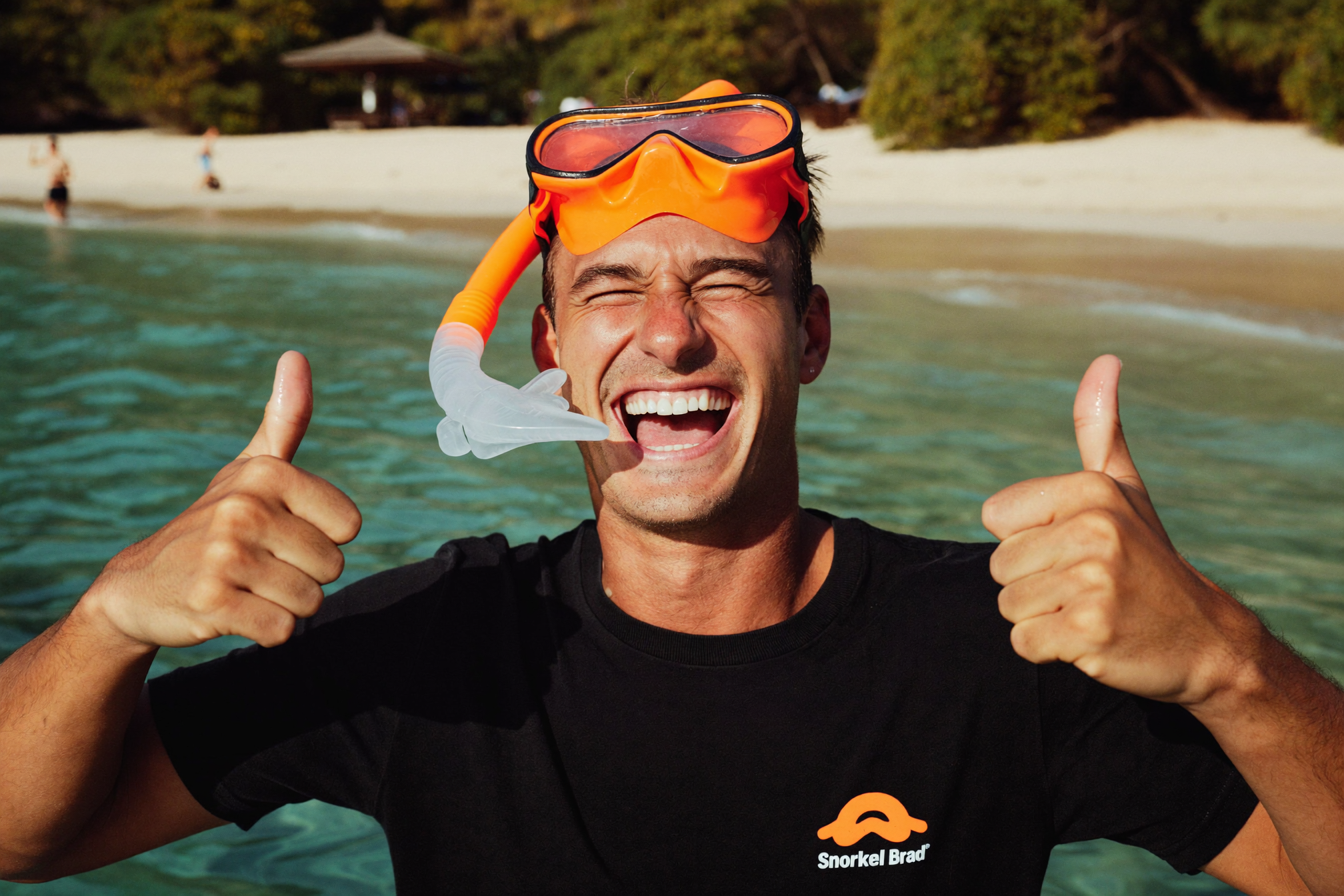 By Snorkel Brad
·Chief Diving Officer
·July 23, 2026
By Snorkel Brad
·Chief Diving Officer
·July 23, 2026
The biggest secret in snorkeling is that the water is trying to hold you up, and most beginners spend all their energy fighting it. Once you stop wrestling the ocean and let it float you, snorkeling transforms from an exhausting workout into a lazy, meditative drift. Brad fought the water for years, treating every session like a wrestling match with a much larger opponent. The water, undefeated, would like to gently suggest you relax instead.
You float better than you think
Here is the reassuring truth: the human body is naturally buoyant, and salt water makes you more buoyant still, because salt water is denser than fresh water and pushes up on you harder. With a normal breath of air in your lungs, most people float at or near the surface without any effort at all. Your body genuinely wants to float; you just have to let it.
The problem is that fear makes people do the exact opposite of what floating requires. A nervous snorkeler stiffens up, lifts their head, pulls their knees in, and paddles hard, all of which push them down into the water and force them to fight to stay up. Relaxing and spreading out does the reverse and lets the water support you. Understanding that the buoyancy is real and on your side is the first step, because you stop bracing against a danger that is not there and start trusting the water to hold you, which it will.
The relaxed floating position
A good snorkeling float is flat, loose, and lazy. Here is how to set it up:
- Lie flat and face-down, letting your body stretch out horizontally across the surface rather than hanging vertically in the water.
- Relax your legs and let them trail out behind you, straight and loose, not tucked under you. Tucked legs sink your lower half and drag you into a tiring upright position.
- Let your arms rest, either loosely at your sides or gently out in front. You do not need your arms to snorkel, and flailing them just wastes energy.
- Keep your face in the water and breathe slowly through the snorkel, keeping your head in a neutral, relaxed position rather than craning it up.
- Go limp on purpose. Consciously soften your whole body, as if you are lying on a bed, and feel the water take your weight.
The whole shape is a relaxed horizontal sprawl. If you find yourself tensing or bending, reset to flat and loose. This float works hand in hand with calm breathing, since a full, slow breath adds buoyancy and a relaxed body floats better than a stiff one.
Why relaxing actually makes you float
It is worth understanding why tension sinks you, because it makes the advice stick. When you tense up and pull your body into a compact, vertical shape, you present a smaller, denser profile to the water and your dense legs hang straight down, so you have to actively work to keep your face at the surface. You are fighting your own posture.
When you relax and spread out flat, you distribute your weight across a large horizontal area, and the water's upward push is spread along your whole body, easily supporting you. A relaxed body also naturally holds a fuller, calmer breath, and the air in your lungs is a big part of what floats you, so calm breathing and floating reinforce each other. There is even a mental piece: a relaxed body sends a calm signal to your brain, which slows your breathing and keeps panic away, which keeps you relaxed. It is a positive loop, the exact opposite of the panic spiral. Softening your body is not just comfortable; it is mechanically why you float.
Practice drills for effortless floating
Learn this in calm, shallow, warm water where you feel safe, ideally somewhere you can stand up:
- The back float. Before you even put your face down, practice floating on your back, arms and legs spread, breathing normal air. Feeling the water hold you up on your back builds deep trust that it will hold you face-down too.
- The dead-man float. Face-down with the snorkel, go completely limp and simply breathe, doing nothing else, and notice that you stay up without effort. This is the core sensation of relaxed snorkeling.
- The no-hands drift. Float face-down and practice a slow, gentle fin kick with your arms tucked away and unused, feeling how little effort forward motion actually takes.
The goal of every drill is the same feeling: the water is doing the work, and you are just along for the ride. Chase that sensation and everything else in snorkeling gets easier.
When to use flotation aids
There is zero shame in using a flotation aid, and for many people it is the single best thing they can do to actually relax. A snorkel vest or another appropriate flotation device keeps you at the surface with no effort, which frees you to forget about staying afloat entirely and just look at the reef. Weak swimmers, nervous beginners, kids, and anyone who wants a truly effortless drift all benefit enormously.
Knowing that you cannot sink is profoundly calming, and calm is the whole game, so a vest often does more for your enjoyment than any amount of technique. The right choice between a low-profile snorkel vest and a fuller life jacket depends on your swimming ability and the conditions, and it is worth understanding the difference between a vest and a life jacket before you pick one. Using flotation is not a crutch or a sign of weakness; plenty of experienced snorkelers wear a vest simply because relaxed and floating is more fun than working to stay up.
Relaxing when you are not a strong swimmer
If you are not a confident swimmer, floating and relaxing is exactly where your attention should go, because comfort in the water matters far more than swimming strength for surface snorkeling. Stay in shallow water where you can stand, always use a flotation aid, and never go out alone, because a buddy and a way to rest turn nervousness into confidence.
Build up slowly: master the relaxed float and calm breathing in water where your feet touch before you venture anywhere deeper, and always have an easy exit and a way to rest whenever you want one. If you want a fuller plan for snorkeling comfortably without strong swimming skills, it is worth reading how to snorkel if you cannot swim well, which builds on exactly these relax-and-float fundamentals. The reef does not care how fast you can swim; it only asks that you float there calmly and enjoy the view. Brad, a genuinely mediocre swimmer who has made peace with it, floats happily for hours and would not trade it for any amount of athletic thrashing.
Snorkel Brad refuses to get in the water underdressed. Gear up with the organic high-neck tee and the Hydrate Before You Dive bottle, or browse the full collection — Brad's commission is, as always, exactly zero dollars.
Snorkel Brad Answers Your Questions
How do I float while snorkeling?
Lie flat and face-down, let your legs trail out straight behind you, relax your arms, and go limp so the water takes your weight. Breathe slowly through the snorkel. A relaxed, spread-out horizontal body floats far more easily than a tense, tucked one.
Why do I keep sinking when I snorkel?
Usually because you are tensing up, lifting your head, and tucking your legs under you, which forces your body into a vertical position you have to fight to keep afloat. Relax, spread out flat, and let a calm full breath add buoyancy.
Is it easier to float in the ocean than a pool?
Generally yes. Salt water is denser than fresh water, so it pushes up on you harder and you float more easily in the sea than in a freshwater pool. Either way, relaxing and spreading out flat is what lets the buoyancy work for you.
Should I use a snorkel vest to help me float?
There is no shame in it, and for many people it is the best way to relax. A snorkel vest keeps you at the surface effortlessly so you can forget about staying afloat and just enjoy the reef. It is especially helpful for weak swimmers, beginners, and kids.