How to Plan Your First Snorkeling Trip Without Overthinking It
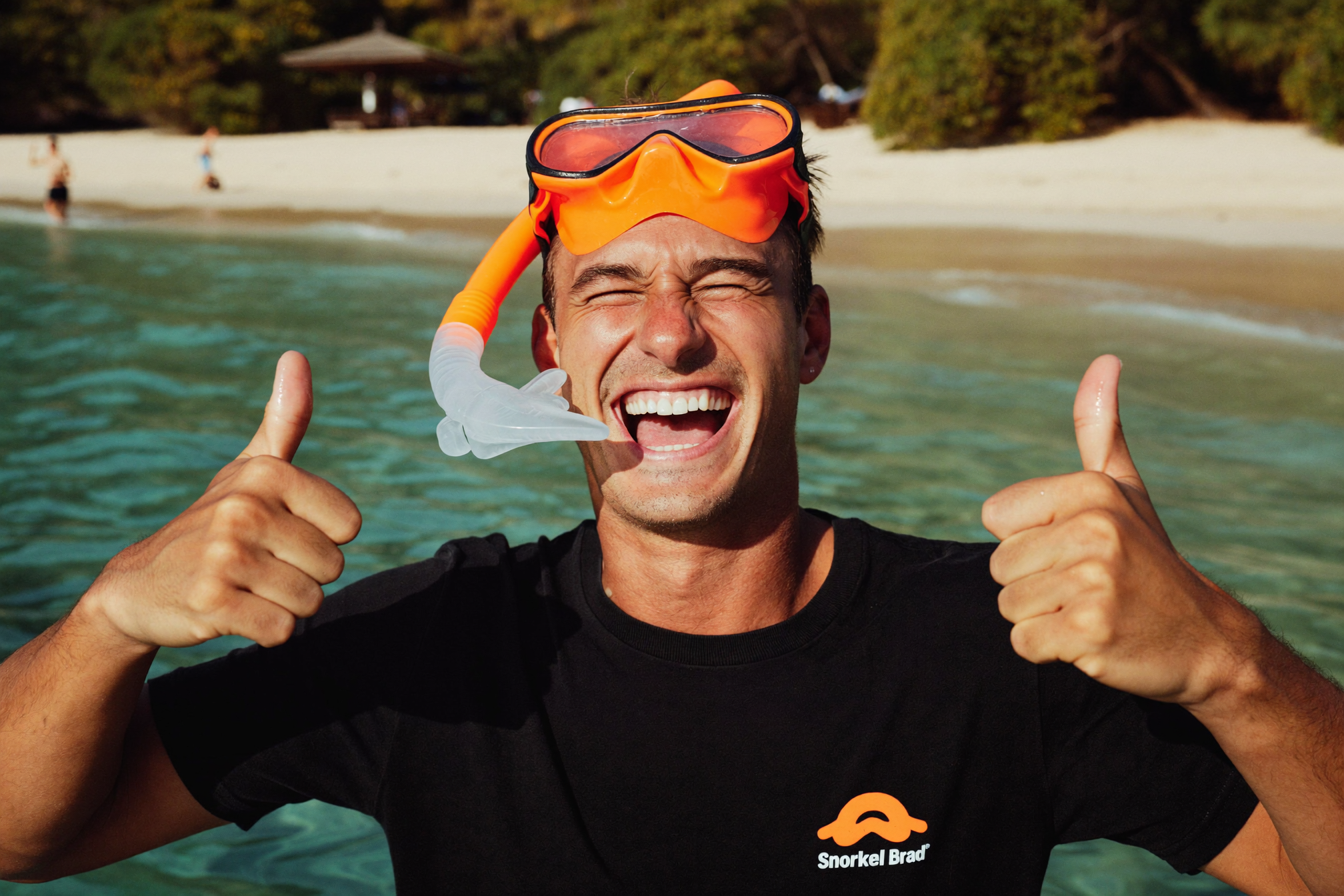 By Snorkel Brad
·Chief Diving Officer
·July 23, 2026
By Snorkel Brad
·Chief Diving Officer
·July 23, 2026
Planning a first snorkeling trip can spiral into a research rabbit hole of gear reviews and destination lists until you're paralyzed and haven't booked anything. Brad has been there, minus the paralysis, because Brad rarely overthinks anything. Here's a calm, practical plan that gets you floating over a reef without a spreadsheet.
Pick a beginner-friendly destination
For a first trip, prioritize easy over epic. You want somewhere with calm, protected, shallow water and, ideally, gentle shore access or well-run beginner boat trips — plus lifeguards and infrastructure. Sheltered bays, calm lagoons, and reefs known for mellow conditions beat dramatic, current-swept famous sites for a first outing. You can chase the bucket-list reefs once you've got a few relaxed sessions under your belt.
If you're weighing where to go, Brad's destinations guide leans toward beginner-friendly spots. The goal of trip one is confidence, not conquest.
Sort your gear (mask fit first)
You need surprisingly little: a mask, a snorkel, and fins, plus a rash guard for sun and warmth. The single most important thing is a mask that seals on your face — a leaky mask ruins a trip faster than anything. If you can, get your own mask and do the fit test (hold it to your face, breathe in gently through the nose, and see if it sticks). Rental gear works but rental masks don't always fit well. Brad's beginner gear checklist covers exactly what to bring and what to skip.
Add reef-safe mineral sunscreen or plan to cover up, and don't over-buy — you don't need a gadget for everything on trip one.
Learn the basics before you go
You don't need lessons, but a little practice makes trip one vastly better. In a pool or calm shallow water, practice breathing slowly through the snorkel, floating relaxed and horizontal, clearing water from the snorkel with a sharp exhale, and clearing your mask if it lets water in. Getting these reflexes down on dry-run day means you spend your actual trip watching fish, not fighting your gear. Brad's calm-breathing guide and floating guide are the whole prep course.
Check conditions like it matters (it does)
On the day, let the ocean have the final vote. Check a current marine forecast, look at the actual water before you get in, and heed any warnings, flags, or lifeguard guidance. Calm, clear, gentle water with good visibility is your green light; crashing shore break, strong pull, or brown post-rain runoff is a 'not today.' Mornings are often calmer before the wind builds. Planning around conditions rather than your itinerary is the mark of a snorkeler who has good days and stays safe. Brad's conditions guide teaches you what to look for.
Build a simple safety plan
Keep it easy: snorkel with a buddy, choose lifeguarded water for a first trip, use a flotation vest if you're not a confident swimmer (there's no shame in it and it lets you relax), stay within your comfort zone for distance and depth, and know how you'll get back to your exit point. Tell someone your plan. None of this is dramatic — it's just the boring stuff that keeps a great day great. Brad's safety tips and buddy-system guide round it out.
Keep expectations loose and enjoy it
Trip one is about getting comfortable and having fun, not ticking off rare species. You might see a hundred fish or a handful; you might get a turtle or you might not. Go in relaxed, keep the first session short, warm up in the shallows, and let yourself just float and breathe. The reef reveals more the calmer you are, so the less you grind, the more you'll see. That's the whole paradox of good snorkeling.
Time it right — season and time of day
When you go matters as much as where. Aim for the season when your destination tends to have calmer, clearer water and gentler weather — this varies enormously by location, so check general seasonal patterns and a local forecast rather than assuming. Avoid, where you can, the stormy or windy stretches of the year, since wind and rain churn up water and cut visibility. Frame all of this as typical, not guaranteed; the ocean writes its own schedule.
On the day itself, earlier is often better. Mornings are frequently calmer before the day's wind builds, the light is good for seeing (and photographing) the reef, and popular spots are less crowded. Building your outing around a calm morning window, and staying flexible enough to swap days if conditions turn, is exactly the kind of low-drama planning that produces good first trips. Brad's conditions guide helps you judge the day.
Sort the boring logistics in advance
A great snorkel day is usually a well-organized one, and the organizing is genuinely easy. A short checklist the night before saves a lot of scrambling:
- Pack gear, rash guard, reef-safe sunscreen, water, snacks, a towel, and a dry bag for valuables.
- If you're doing a boat trip, book ahead, confirm what gear they provide, and know the meeting time and place.
- Note the nearest lifeguard, restrooms, and parking, and how you'll get to your entry point.
- Stay hydrated and skip a heavy meal or alcohol right before — you'll feel better in the water.
- Tell someone your plan and roughly when you'll be back.
None of this is glamorous, and all of it quietly protects the fun. Handle the logistics the night before and your actual trip morning is just 'grab the bag and go,' which is precisely the energy you want for your first time floating over a reef. For dialing in exactly what to bring, Brad's beginner gear checklist is the companion to this plan.
Brad's take
Don't overthink it. Pick an easy, calm, lifeguarded spot; go in the right season and aim for a calm morning; get a mask that fits; practice breathing and floating for one session; sort the boring logistics the night before; check conditions on the day; snorkel with a buddy; and keep expectations loose. That's the entire plan. Do that and your first snorkeling trip becomes the reason you book a second one.
Snorkel Brad refuses to get in the water underdressed. Gear up with the Dive-In Bucket Hat and The Classic Tee, or browse the full collection — Brad's commission is, as always, exactly zero dollars.
Snorkel Brad Answers Your Questions
Where should I go for my first snorkeling trip?
Somewhere easy: calm, protected, shallow water with gentle shore access or beginner boat trips and lifeguards. Save the dramatic, current-swept famous sites for after you've built confidence.
What gear do I need as a beginner?
A well-fitting mask, a snorkel, fins, and a rash guard, plus reef-safe sunscreen. Mask fit is the most important thing — a leaky mask ruins the experience.
Do I need lessons before snorkeling?
Not formal lessons, but practicing breathing, floating, and clearing your snorkel and mask in a pool or calm shallows first makes a huge difference on your actual trip.
How do I stay safe on my first trip?
Snorkel with a buddy, choose lifeguarded water, check conditions and heed warnings, use a flotation vest if you're not a confident swimmer, and stay within your comfort zone for depth and distance.